• Biology

    Biology

    The atom, biological macromolecules (carbohydrates, lípids, proteins, nucleic acids), cell biology, cancer

  • Drugs

    Drugs

    Drug development, pharmacodynamics, pharmacokinetics, toxicology

  • Nanomedicine

    Nanomedicine

    Introduction to nanotechnology, diagnostic devices, drug delivery, regenerative medicine

  • Miscellaneous

    Miscellaneous

    A more in-depth explanation of topics previously mentioned in the other sections

Posts for label: Drugs

Posts for label: Drugs

1.6. Personalised medicine

0 comments
In recent years, the definition of a succesful drug has changed. The time when a drug would become a blockbuster is over, since there are no longer illnesses that can be treated with just a drug. At the same time, patients and markets demand more effective medicines.

But this demand turns out to be harder to fulfil because our knowledge about diseases is getting more and more complex. Besides, there are numerous external pressures (from governments, financial institutions, regulatory agencies and even scientists) to achieve the best clinical results.
Then, how is it possible to create new drugs when their development costs increase year after year and it is more difficult to generate them with a clinical benefit for patients?

To overcome this challenge, science has provided us with new tools, such as the ability to map the human genome (at a lower and lower cost), which allows us to understand the expression of different proteins in response to diverse illnesses.
Consequently, personalised medicine, which uses these new kinds of tools, is expected to take the lead in the discovery of new drug development processes and of specific medicines that are more effective and even safer.
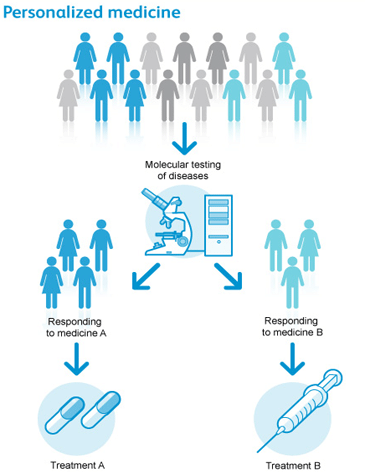
Molecular testing in personalised medicine
But, how is a personalised drug defined? Personalised medicine is that medical treatment tailored to the features of each and every patient.
It is expected that personalised drugs will be prescribed only to those for whom there will be a known and personal benefit.
In this way, not only the capacity to treat diseases improves, but also, the associated savings in prescribing in a targeted way.

Within personalised medicine, we find three categories:
      Diagnostics: these products can diagnose the risk of suffering from a specific disease, the real existence of a disease in an individual, or even guide the treatment for those people who have already been diagnosed.
      Companion diagnostics: : these products work in tandem with pharmaceutical treatments, indicating to the physician the type of drugs that a particular patient should receive.
      Screening tools: they are able to detect diseases in their early stages, which allows quick interventions with the hope of diminishing the effects caused by illnesses.

Ideally, it would be interesting to find a way of evaluating a person’s vulnerability to a disease or their response to a certain treatment even before administering it.
With the help of personalised medicine, we could know beforehand which people would respond positively to a specific drug and those that would not; which people would suffer grave side effects and those that would not; which people would need that medicine at an early stage and those who would need it at a later stage. All with the goal of accomplishing the best possible results in each patient.

Personalised medicine has experienced spectacular growth in the last few years, from 13 main products in the market in 2006 to 72 products in the year 2011 and sales of 30 billion dollars in the USA.
Presently, 94% of biopharmaceutical companies are researching personalised medicine. They are aware that it can be used both as a research tool as well as to improve a drug’s potential.
Tailored treatments of personalised medicine
Among the personalised medicine products that physicians use currently to treat their patients are the following:
      BRACAnalysis tests that identify potential mutations in the genes BRCA1 and BRCA2 responsible for most ovary and breast inherited cancers. Depending upon the presence or not of these mutations, the patient’s likelihood of developing these types of cancer in the future is determined. According to that, other relatives are guided and advised about what steps and decisions to make.
      Oncotype DX is a 21gene test that predicts a patient’s likelihood of benefiting from chemotherapy and the risk of a tumour recurrence in the following ten years.
      PreDX is a blood test that examines the levels of seven protein markers associated with diabetes. These markers are related to fat tissue quality, inflammatory conditions of the pancreas and glucose metabolism.

Some of the current benefits from personalised medicine include:
      A 34% reduction of chemotherapy in those women who suffer from breast cancer and prior to these treatments they have been undergone genetic testing.
      Up to 17,000 strokes can be prevented every year in those patients who are prone to cerebrovascular disorder by giving the proper dose of warfarin[1] provided that a genetic test is carried out.
      Over 600 million dollar savings for the health care system in the USA if patients with metastatic colorectal cancer undergo the KRAS gene[2] test before receiving their treatments.
      Development of new diagnostic tools that can help in the drug development process. Thus, if pharmaceutical companies know in advance what patients will respond better to a clinical trial, better results will be obtained in that study.

We are still in the early stages of personalised medicine, which will provide us with a better understanding about disease conditions, minimise side effects, and identify new drug targets.
By incorporating it into our experiments and research methods, we will also identify new innovations related to the drug discovery process.


[1] An anticoagulant (blood thinner) used in the prevention of thrombosis and thromboembolism.
[2] Gene that produces KRAS protein, which takes part in many cell signalling patways, cell growth and apoptosis.

Sources: UTAustinX: UT.4.01x Take Your Medicine - The Impact of Drug Development.
              http://www.patia.com.mx/braca.html
              https://breast-cancer.oncotypedx.com/es-MX/Professional-Invasive/WhatIsTheOncotypeDXBreastCancerTest.aspx
              http://www.tuorigen.cl/index.php/preguntas-frecuentes
              http://www.cancer.gov/espanol/publicaciones/diccionario?cdrid=652256
              http://www.lampadia.com/analisis/tecnologia/medicina-del-futuro-despliegue-de-un-nuevo-paradigma/


Read more
1.5. Quality control in pharmaceutical industry

1 comments
Quality control is used in each and every stage of the drug development process. It ensures that the drug product fulfils requirements that include safety, quality, stability and efficacy.
The word ‘quality’ refers to a pharmaceutical drug’s features from both a quantitative and qualitative point of view. It refers to both the quality of the manufacturing process and the product itself.
The word ‘control’ implies a procedure by which production is carried out, according to a specific plan fulfilling the standards previously established.
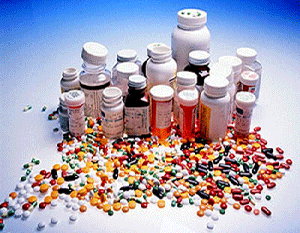
Types of drugs
The maintance of drug quality depends on each and every person and the equipment that is used in its development. There is strict supervision in each stage of the process so that the final product achieves its highest quality. The quality control department in a pharmaceutical company is in charge of monitoring records, procedures, systems, facilities, staff and analyses that are made in development and production of a drug product.

Quality variety can occur throughout the process, from the receipt of raw materials to the packaging of the final product. The risk of this happening is increased as the manufacturing method gets more and more complex. Possible causes of diminished quality are:
      Methods:
Negligence in the process
Wrong process
Inadequate process
      Materials:
Variations amongst the suppliers of the same substance
Variations amongst batches of the same supplier
Variations in a batch
      Staff:
Fatigue and carelessness
Lack of interest and attention
Inappropriate training
Unsuitable work conditions

Errors can be controlled, reduced or eliminated by the monitoring of material, its packaging and with good manufacturing practices (GMPs).

Material control starts just after its delivery. Active substances, excipients, packaging and printed materials are stored properly and classified alphabetically or depending on their physical nature.
In the case of active principles the following are examined: their adulteration, percentage purity, expiry date and batch number.
For printed and packaging materials, their weight, colour and grammage are checked too.


Manufacturing practices control

To achieve the highest quality, the following elements are controlled:
- Personnel
- Equipment and facilities
- Production process
- Records

      Staff
Staff have to be appropriately educated and trained to work in the pharmaceutical industry.
They have to receive continous training suitable for their role.
They have to be warned about the risks and responsibilities in their role.
The work performed by workers has to be monitored by highly-educated senior managers with broad and deep expertise.
Senior managers always have to be available in case of any potential incident.

      Equipment and buildings
Equipment and buildings must have the right design, size and construction requirements to store, process, examine and package drug products.
Equipment surfaces must be non-absorptive, non-additive and non-reactive.
Equipment must be built and assembled in such a way that it is easy to replace, wash and operate.
Buildings must be free of any kind of contamination.

      Record control
The most important record controls are related to drug formulation and lot production.
The drug formulation record must contain:
- Product name and dosage form.
- Quality by weight or volume of each ingredient.
- Control and manufacturing instructions, specifications and precautions.
- Complete list of ingredients used, including excipients.
- Standards or specifications of each ingredient.
- Complete description of packaging, containers and labelling materials.

The batch production record must contain the following information:
- Lot number.
- Code number.
- Manufacturing date.
- Expiry date.

      Production process control
Manufacturing processes are carried out from the delivery of the material through to the final product commercialisation in accordance with a set of rules previously established.
The Master Formula has a full list of all drug components alongside their quantities, procedures, equipment and precautions that must be taken during its manufacturing.
Quality control laboratory
This Master Formula is delivered to the Production Department where all ingredients are re-examined and tested in the laboratory.
Some of these analyses are performed during the production process itself, this is called ‘In Process Quality Control’ (IPQC), which is under supervision of the Quality Control Department.
These tests vary depending on the drug dosage form (syrups, injectables, tablets, semi-solid forms…).


Packaging control

The final product is packaged in its recommended containers avoiding mistakes in labelling or lot number.
Packaging materials are chosen according to the distribution and nature of product.


Distribution control

The responsibilities of the Quality Control Department do not finish when the pharmaceutical product is distributed to the market.
The deparment registers samples of each batch and these are stored for years with the purpose of being examined in case of need or demand.


Organisation of quality control

Generally, there are five different departments in Quality Control:
      Analytical department
The quality of the final product largely depends on the quality of the raw materials used in the manufacturing process. This department analyses these raw materials and ensures that the drug fulfils a set of specifications to keep its quality. Among these specifications we find:
Solubility, viscosity, surface tension, crystal shape…
      Chemical testing laboratory
The chemical and physical properties of each lot of raw materials and final products are tested in this laboratory.
This laboratory must be located in an isolated area away from noise and vibration and it must have suitable equipment to carry out a wide range of chemical tests.
      Biological testing laboratory
Biological examinations analyse biologic drug products and a broad variety of products such as parenteral products which require pyrogen[1] and sterility tests before their commercialisation.
      Central release office
This office evaluates the many records generated throughout manufacturing and packaging. These records report on the characteristics of each lot produced and distributed in the market, which facilitates the later investigation of potential product quality claims submitted by customers.
      Inspection and checking
Finally, Quality Control Inspectors are responsible for selecting random samples of raw materials received and final products for their inspection.
Organisation of a Quality Control Department


[1] Agents that cause fever.

Sources: http://thepharmacistpharma.blogspot.com.es/2009/03/quality-control-procedure-in.html
              http://www.ancalmo.com/moderno-laboratorio-control-de-calidad/
              http://controldecalidadifv.blogspot.com.es/
              http://www.aemps.gob.es/industria/inspeccionNCF/guiaNCF/docs/reqBasicosMed/04_capitulo-1b.pdf


Read more

1.4.3. Clinical trials and drug approval in the US

0 comments
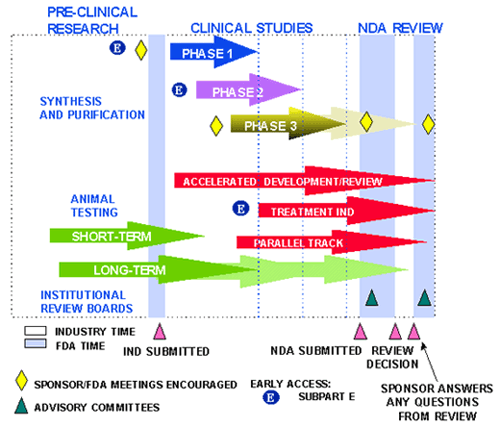
In the post titled: ‘Safety and efficacy of drugs’, we saw how the regulatory agency in the USA, the FDA (Food and Drug Administration), started the drug review process by submiting an Investigational New Drug (IND) application to request the start of clinical trials in humans.

Later, there is a review at two levels:

      A review at national level, where the FDA inspects all the pre-clinic work performed in the laboratory and the data set that led to the submission of that IND.
      A second review at local level (cities, towns, health systems) that is carried out by local entities named Institutional Review Boards (IRBs) regulated by the FDA. Their functions are to evaluate the number of patients that take part in the study, the study safety and its design.
Drug approval process map
After these assessments, if it is concluded that the benefits outweigh the risks the FDA and IRBs approve human trials.

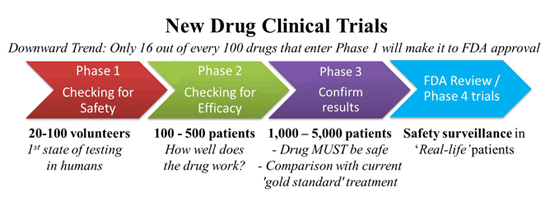
Clinical trials in humans are divided into three different phases:

      Phase I: they are small tests that involve from 10 to 20 healthy human volunteers, who do not have the disease of interest.
In this phase, the drug is, for the first time, administered to human subjects.
The objective of these studies is to find the tolerability and safety of the new product, as well as its pharmacokinetics[1].
      Phase II: once the phase I has been completed without issue, the researchers proceed to the phase II where they determine, by comparison, if the new drug works better than an inactive product (placebo) or, at least, as well as another current drug.
To achieve this, half of the patients of the study are administered with the new drug and the other half with the inactive product or the drug already on the market.
Patients receive a wide range of doses of the drug with the purpose of finding out which one provides fewer side effects along with the best efficacy.
This phase involves between 100 and 500 test subjects.
      Phase III: if everything goes according to plan, we reach phase III where the new drug is given to thousands of patients. Once again, it is compared to a placebo or a medicine that already works to discover whether the new product is safe and efficient, this time at a larger scale.
In this phase, the tests occur in many centres not only in the US but also all over the world.
Another characteristic feature of phase III is that the drug is administered by healthcare providers or practising clinicians, which gives the FDA new data about the safety and effectiveness of the new medicine in the real environment of health care.
New drug clinical trials
In phases I, II, III and even subsequently, the safety of the new compound is always evaluated and is the main concern in these studies.

Biopharmaceutical companies do not conduct these clinical research studies alone, but working very closely with the FDA, in such a way that the FDA can halt a study at any moment, even before beginning, when it suspects that the patient safety could be at risk.
Equally, the FDA can finish a trial ahead of schedule when the drug is so effective that expectations are exceeded, so that the new medicine starts to be commercialised for those people who need it.
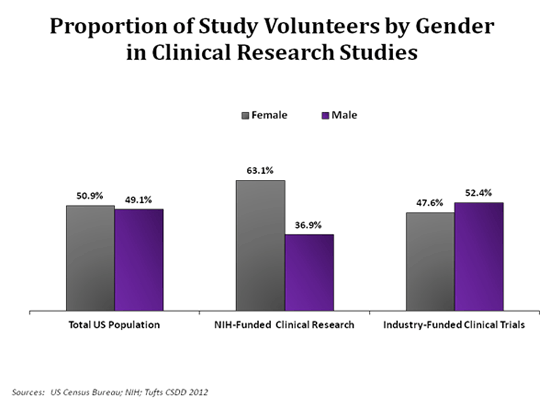
Proportion of study volunteers by gender
At the end of these clinical trials, a new application, named a New Drug Application (NDA), is drawn up and submitted to the FDA where it is examined by several members with different backgrounds: scientists, statisticians, clinicians… in order to give recommendations (as long as the drug fulfils the safety and effectiveness criteria).

The FDA also examines the facilities where the new drug will be manufactured in a standardised and robust way and confirms that they adhere to good manufacturing practices (GMP).
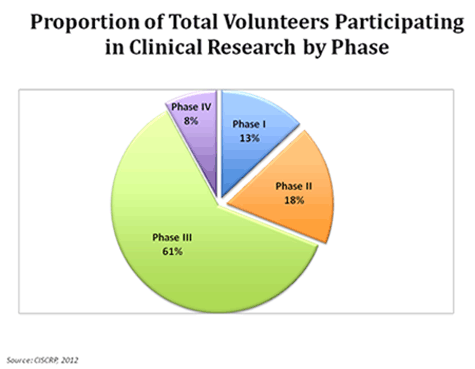
Proportion of volunteers in clinical trials by phase
The FDA also reviews the set of information, called product or package labelling, distributed with the product, which helps patients and health providers to determine if a specific medicine is the most appropriate to treat a certain illness.
This leaflet includes information about the clinical testing done, the most suitable dosage, warnings about its safety (if any) and side effects.

Lastly, the FDA decides whether the new medication is approved or not. If the result is negative, it can ask for further studies from the manufacturer or deny its use in the US permanently in the event that there is enough evidence about the drug’s ineffectiveness or doubts about its safety.


[1] Measurement of drug levels in the organism and how the drug is excreted from it.

Sources: OpenStax College, Biology. OpenStax College. 30 May 2013.
              http://www.ice-epilepsy.org/us-drug-approval-process.html
              http://mscreations.org/clinical-trial-phases/
              https://www.ciscrp.org/education-center/charts-and-statistics/during-participation/


Read more

1.4.2. Good Clinical Practice (GCP)

0 comments
According to the European regulations, all clinical trials must be performed in accordance with the rules of good clinical practice (GCP) that constitute a guarantee for patient protection and for test results.

That GCP guidelines of the International Conference on Harmonisation (ICH)[1] have been followed since 1996 in Europe; they have also been adopted by the USA and Japan. They are a set of scientific and ethical quality requirements recognised internationally that must be fulfilled by the planning, execution, record and communication of clinical trials where human beings take part.
These rules must guarantee the rights, safety and well-being of trial subjects and the reliability of the results.

GCP arises from the need to reconciling the subject’s interests (who receives the treatment) and society’s interests in increasing its knowledge about drugs.

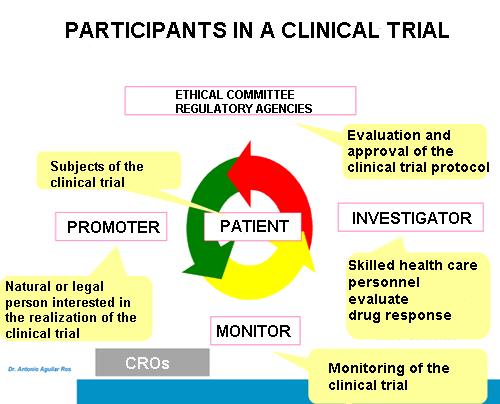
The main actors that participate in a clinical trial are the following:

      Promoter: legal entity or person interested in performing a clinical test and responsible for the same. It is usually a pharmaceutical multinational.
      Ethical committees: they belong to the centre where the research takes place.
      Regulatory agencies: they are usually QUANGOs with government oversight.
These two last participants must approve the protocol and supervise the experimental development. In addition, agencies evaluate the research results to authorise subsequent drug commercialisation.
      Researchers: carry out or manage the test research. They are normally physicians or health professionals that examine the compound response that is subject of study.
      Monitor: responsible for the direct follow-up of the clinical trial execution. Monitor is the intermediary between promoter and researcher and must guarantee the tracking of everything that occurs throughout the experiment.
      Patient: subjects who take part in the research and generally suffer from the disease of interest.
On occasion, some companies called CROs (contract research organisations) provide the trial management and monitoring.
Participants in a clinical trial

After the II World War, the Nuremberg Code was promulgated to establish clinical research principles in human beings, which are as follows:

      Autonomy: respect the principle for subjects that they are treated as autonomous people to decide freely if they want to take part in the clinical test.
The informed consent[2] signed by the patient is part of the fulfilment of this principle.
      Well-being: the physician is obligated to do good and to attend to the welfare of the patients, as well as their highest benefit.
      Non-malefience: to avoid harmful clinical tests for patients.
      Justice: obtained positive results must be shared with the people who suffer from the malady which is the focus of the trial (whether knowledge or new medication). This principle would not be fulfilled, for example, if a country from the third world, where the trial takes place, would not benefit from the treatment because of its high cost.


Phase IV clinical trials

Once a drug has been introduced to the market, studies continue to increase the knowledge about its safety and effectiveness, identify new risks and non-detected adverse response in previous research.
The group of controlled and randomised trials and studies that are performed at this given point is called phase IV of clinical trials.
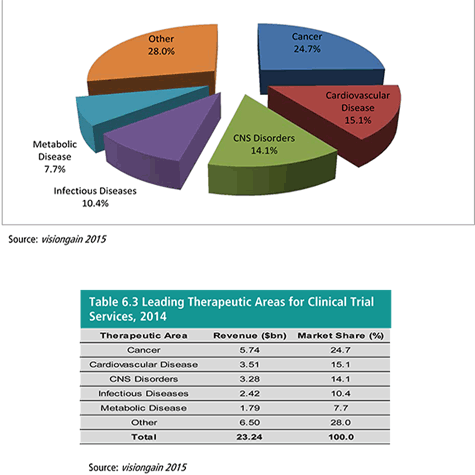
Leading therapeutic areas for clinical trials services

The most common epidemiological (observational) studies after the drug authorisation are case-control and cohort studies.

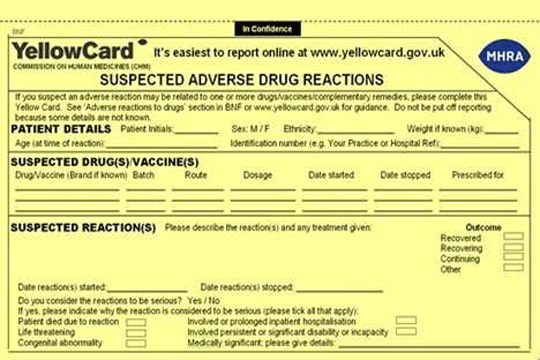
Finally, the Yellow Card Scheme is the system for collecting suspected adverse reactions to drugs. This system is used especially when a medicine has just been marketed and it is mandatory for physicians (and current patients can also fill it out).
Yellow Card for suspected adverse reactions to drugs in the UK

These cards consist of several sections among which we find the following:

      Patient details: first name or initials, age, sex, weight, height…
      Data about the suspected medicine causing adverse reactions.
      Description of those reactions.
      Reporter/clinician details: name, professional address, specialty…


[1] It matches the different regional requirements for the register of pharmaceutical products.
[2] The subject who participates in the clinical trial is informed by this document about the details, advantages and disadvantages of the test with an accessible language, being able to leave it freely at any time.

Sources: CEU Universidad San Pablo: Farmacología Básica, 2013.
              https://www.gov.uk/guidance/the-yellow-card-scheme-guidance-for-healthcare-professionals
              https://yellowcard.mhra.gov.uk/the-yellow-card-scheme/
              http://www.ich.org/home.html


Read more

1.4.1. Clinical research: Overview

0 comments
Those compounds that have passed the preclinical phase are tested in human beings (clinical research).
This kind of research has significant associated issues of a scientific, ethical, social and economic nature.

In all developed societies it is mandatory to prove the efficacy and safety of drugs before commercialising them, a task that is fulfilled by clinical trials.
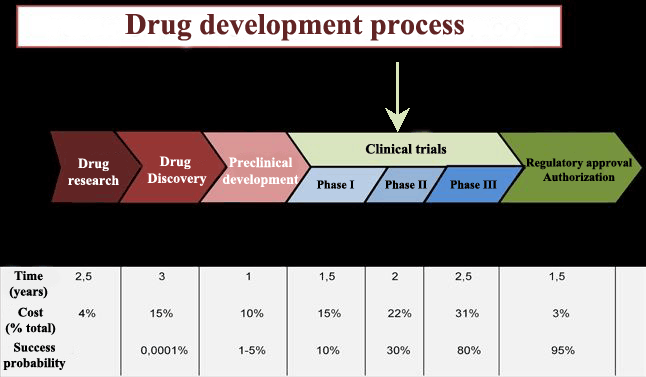
Phases of drug development
Clinical trials are defined as research studies in human beings to determine or confirm clinical, pharmacological, pharmacodynamic effects and/or detect adverse reactions and/or study the absorption, distribution, metabolism and excretion of a drug in order to establish its safety and efficacy.

Clinical tests are based on documentation, both national and international regulation and a series of ethical codes, declarations and international conventions.

Over the last fifty years hundreds of thousands of compounds have been produced, but only 10% of them have passed clinical evaluation, and even within this group some of them were withdrawn after being put on the market due to safety and efficacy reevaluations.
Stages of new drug development
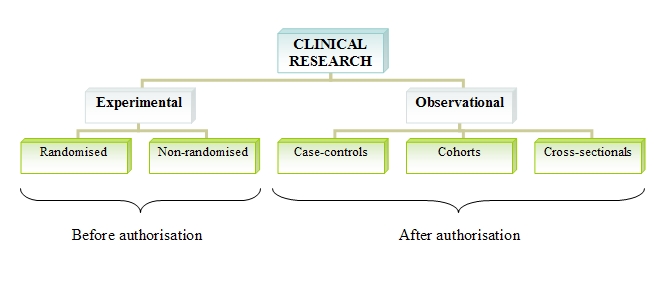
The methodology of clinical research can be carried out via one of the following procedures:
      Experimental: In experimental tests, researchers design the study, select the patients, establish the treatments and variables to study.
      Observational: Researchers are mere observers, without altering or intervening the habitual clinical practice.

Within the experimental tests, we find:
      Randomised trials. In these trials, patients are allocated to one treatment or another (often a placebo) in a random way. This is the procedure demanded by regulatory agencies to avoid bias in data interpretation before giving the authorisation to market the drug.
      Non-randomised trials. Here, patients are not allocated randomly.

Among the observational studies to develop the complete efficacy and safety profile of a drug after its commercialisation, we have:
      Case-control studies. Participants are chosen according to they have or not a certain disease and it is investigated if they were exposed or not to a factor of interest. The exposed group and the control group are compared.
      Cohort studies. The frequency of a sickness is compared between two populations, one exposed to a risk factor and the other population are not.
      Cross-sectional studies. They examine the relationship between an illness and a set of variables in a certain population at a given point in time.
Types of clinical trials
Clinical trials chronologically go through three phases until achieving marketing authorisation for the drug. Once the drug is commercialised, it begins its phase IV, which lasts the whole lifespan of the drug. In Phase IV the drug can be removed from the market if undesired effects, not detected in the three previous stages, are identified.
These new side effects can be discovered when the drug is distributed among thousands of patients.

The measured efficacy in these real conditions is called effectiveness to distinguish it from the efficacy measured prior to drug distribution on the market.

Sources: CEU Universidad San Pablo: Farmacología Básica, 2013.
              http://cmidd.northwestern.edu/about/drug-discovery-and-development-process/
              http://indacea.org/desarrollo-de-medicamentos-1/


Read more

1.3.6. Repurposing drugs

0 comments
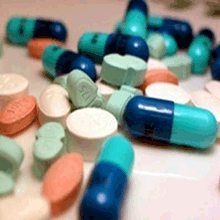
So far, we have studied the basics concerning the drug discovery process.Diversos tipos de fármacos
We have seen how these discoveries were made, at the beginning, by serendipity to give way later to the methodogical method: the target-based approach.
We still do not know how the new drugs will be discovered in the future, but biologics, genetics and phenotypic[1] screening in drug discovery will increasingly play a critical role.

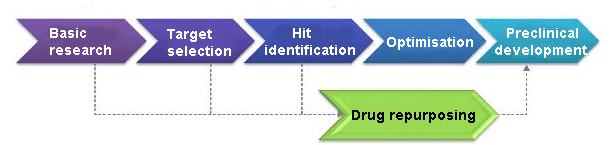
There is another area of increasing interest within the drug development pipeline that, although it does not belong to the discovery process, should be remarked upon. It is usually named drug repurposing, and it is based on giving a known compound a new use.
This practice consists of choosing a compound from the catalogue of shelved drugs that have failed in their clinical trials, or even have been commercialised, for the purpose of treating a different disease.

The main advantage that pharmaceutical developers find in reexamining these known compounds is that their safety profile and chemical properties are already well studied and understood, which considerably reduces the chances of failure in later stages during the development process.
Stage of repurposing drugs during the development process

Existing drugs can be repurposed in two fundamental ways:

The first one is to use them for a new or different therapeutic target. Sometimes drugs are shelved because they are considered too “dirty”, i.e. they bind too many targets and give various undesirable side effects. It may be that a different dosage or route of administration can reach a new target, and hence, be used to treat other pathologies.

The second method is based on taking a known target and a known drug for treating a different disease. We can find an illustrative example of this in the medication called finasteride, which originally was developed against prostate enlargement, and later it was discovered that it could stop or even reverse male pattern alopecia.
In spite of the fact that this medication performs on the same target for both pathologies, its approval to treat male baldness was eight years later than the authorisation for prostate enlargement. This was due to the fact that finasteride had to pass successfully a series of clinical trials before receiving its permission to treat the second indication.
Approaches for drug repurposing

A medication that fulfills both types of repurposing is chlorpromazine, which was originally produced as a antihistamine[2] and later was used as an antipsychotic on account of its sedative effect. While, these are very different illnesses, the drug acts on the same target for both.
Currently, chlorpromazine is used in combination with chemotherapy since its anticancer potential was discovered some years later. This property was learnt thanks to its ability to bind a previously unknown target.
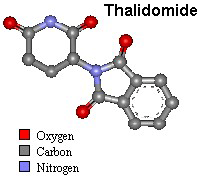
Thalidomide molecular structure
But the medicine that is many times seen as model of repurposing drugs is thalidomide. In principle, this medication was developed to treat morning sickness[3] in pregnant women.
When this drug was approved, the safety regulations were not as rigorous as they are today, and some years after it was found out that thalidomide was responsible for serious birth defects; 20,000 people were affected worldwide.
As a consequence, this drug was removed from the market for 50 years until the company Celgene studied it again, in order to use it against leprosy and multiple melanoma. After this new research, this medication was authorised again, warning strictly against its use by potentially pregnant women.


[1] Phenotype: set of an organism's visible traits such as eye and hair color, height...It is the interaction between a genotype and the environment. 
[2] Drug used to reduce or eliminate allergy effects. 
[3] Nausea in pregnancy, usually in the first few months.

Sources: UTAustinX: UT.4.01x Take Your Medicine - The Impact of Drug Development.
              http://www.imujer.com/salud/4707/tratamientos-naturales-para-la-enfermedad-de-la-manana
              http://www.academica.mx/observatorio/noticias/desarrolla-la-unam-f%C3%A1rmaco-controlar-algunos-tipos-c%C3%A1ncer
              http://www.elsevier.es/es-revista-educacion-quimica-78-articulo-avances-el-diseno-farmacos-asistido-90434983  
              http://www.dddmag.com/articles/2007/09/innovative-strategies-drug-repurposing
              https://embryology.med.unsw.edu.au/embryology/index.php/Abnormal_Development_-_Thalidomide


Read more

1.3.5. Novel drug delivery systems

0 comments
Currently, there are two basic problems related to drug dosage.
The first when the drug is too soluble in water and a controlled release system is required to counteract this. The second when the drug, on the contrary, has no or very low solubility, and therefore, it does not dissolve in water.

This second problem is vital to solve because, today, it is estimated that between 75 and 80% of new chemical substances that come out of academic laboratories and pharmaceutical companies are not water-soluble.
This challenge is to get the main constituents of the drug to dissolve in the gastrointestinal tract, and, in this way, to perform their systematic action[1].

Thanks to nanoparticle engineering technologies, new crystalline drugs can be designed with a really small size (between 200 and 300 nm), which enables them to have faster dissolution rates than larger particles.

Once they are manufactured, these nanoparticles are incorporated into the different drug delivery systems where they are dissolved. In this way the drug is available to be absorbed by the lungs or the digestive system, depending on which route of administration has been chosen.

An alternative would be a drug Crystalline and amorphous structures dissolved in an organic solvent (not water) such as acetonitrile, methanol or ethanol. The drug is then dissolved with some kind of stabiliser in order to then be rapidly frozen. As a result of this procedure we obtain non-crystalline pharmaceutical substances, named amorphous forms or amorphous morphology, which can be dissolved at much higher concentrations than their corresponding (water) crystalline forms.
Thus ‘super-saturation’ of an aqueous solution is achieved, which facilitates the drug’s dissolution at high concentrations in the stomach and in the upper small intestine to be subsequently absorbed and distributed through the whole organism.

Properties of crystalline and amorphous drugs
Crystalline stateAmorphous state
Long range translational, rotational
and conformational order
May exhibit short range order
Well defined melting pointGlass transition point[2]
Good flow properties[3]Poor flow properties
More stableLess stable
Less hygroscopic[4]More hygroscopic
Relatively less solubleRelatively more soluble

An application example of this type of particle engineering system has been developed by members of the medical school of the University of Texas in San Antonio and the Veterans Administration hospital, looking at a new administration route for immune-suppressing drugs.

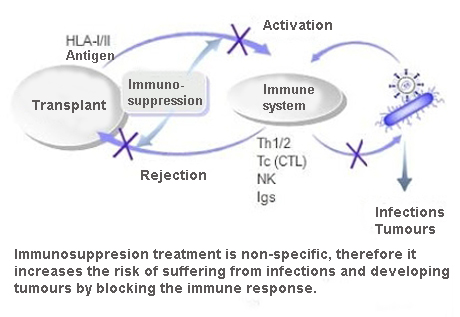
This sort of medication prevents the rejection of transplanted organs, but at present, by being administered orally it can cause a series of undesirable side effects, like the development of different types of cancer.
Side effects of immunosuppressant medications
The objective of the technologies described above was to administer a lower dosage of these drugs with accuracy to the site where its immune-suppressing action was necessary. In order to achieve this, prototypes of a new inhaled immune-suppressing drug were developed during a period of four to five years. The inhalation route of administration was selected because the patients who had undergone a lung transplant were the research target, and consequently the lungs were the aim of this medication.
Several tests were performed in mammals (mice and rats) where the product safety was proven. Low levels of the drug in the blood but high concentrations in the lungs were identified, which shows the validity of the inhalation route.
Then, the drug was tested in a small group of healthy human volunteers, under strict safety rules, and the results were similar to those in animals. Yet, this medication is still under development.

In conclusion, the goal is the research of new routes of drug administration that are not available presently to benefit the patients by minimising side effects and reducing the systemic drug exposure[5].


[1] Action exerted by the drug once is absorbed and distributed by the bloodstream.
[2] Temperature at which an amorphous solid becomes soft and flexible upon heating or rigid and brittle upon cooling.
[3] These properties indicate a higher or lower fluidity of particles depending on their size, shape, absorbed moisture and density.
[4] Substances that absorb moisture from the surrounding environment.
[5] A type of exposure where, in contrast with topical or local exposure drugs, the entire organism is affected by a medication performance.

Sources: UTAustinX: UT.4.01x Take Your Medicine - The Impact of Drug Development.
              http://www.slideshare.net/rcdreddi/limerick-meet-and-greet-ac-edited
              http://chemistry.about.com/od/chemistryglossary/a/glasstransition.htm
              https://docs.google.com/document/d/1TOwPCUSItCGOnUivKC_5kuTGw7kh9D5DPIK2U-V7D2A/edit#heading=h.90pmyxnddx1b
              http://trasplante-de-organos.blogspot.com.es/2011/09/inmunologia-del-trasplante-la.html


Read more

1.3.4. Safety and efficacy of drugs

0 comments
In my second to last post (Routes of drug administration), we studied the different drug delivery systems and how one of them is selected to take a drug compound and make it into a drug product.

In the drug development process, researchers often use living organisms to find out if their compounds can go through the cell membranes and carry out their therapeutic function. However, there is a really delicate balance between those therapeutic effects and toxicity in lots of drugs. To avoid this conflict, previously, many studies must have been conducted to select the lead compound with the smallest toxicity and the top therapeutic potency.
Carrying out cell culture workMany of these evaluations can be assessed on the bench top in cell cultures. However, these experiments are often too simple to predict the compound efficacy in human beings. Hence, more complex living systems, like in rats or mice, are used in order to gain a greater understanding about their efficacy and biological distribution. To do this, researchers have been able to find several ways to model human diseases (e.g. cancer, certain infections and inflammations) in rodents.
Although these models are not completely reliable indicators of the drug efficacy in humans, they are another tool which helps to choose the lead compound with the greatest chance of success. These models can also be used to determine the optimal dosage of the drug needed to reach its target.

Despite the fact that in this phase, the pre-clinical efficacy is not considered as important as the pre-clinical safety, these studies are vital for the pharmaceutical developers to evaluate the likehood of the drug efficacy against a particular human disease. Once the lead compound has been selected and formulated, it is evaluated through animal testing to ensure it is safe for human use.
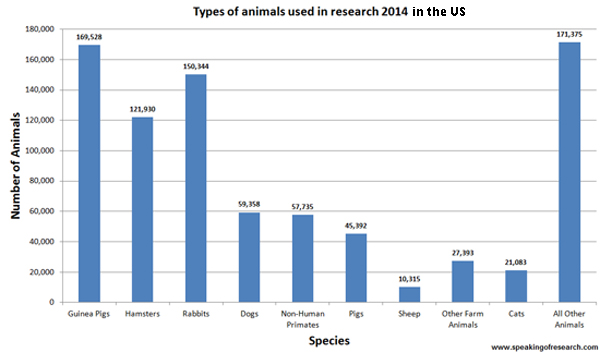
Animals used in research in the US
Although lots of ethical objections have arisen about animal testing, it is the best procedure that scientists and government officials have developed to protect humans against the unanticipated dangers of experimental drugs. In order to ensure the quality and validity of the obtained data in these trials, it has been set a strict group of regulations, called ‘good laboratory practice’ (GLP), which developers have to fulfil. These regulations establish an organisational framework for the new pharmaceutical substances, as well as the evaluation of any toxicity that may happen during examinations.

In addition to an understanding of the potential toxic effects, it is also critical to know how long the drug remains in the bloodstream, how it is metabolised and what tissues it can be collect in.
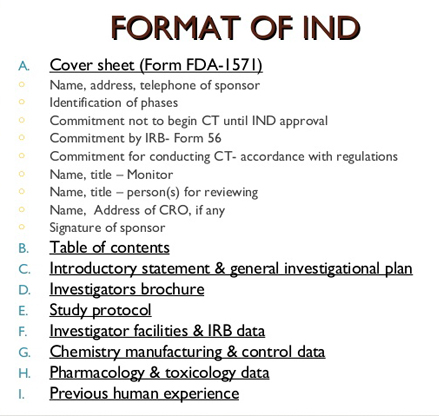
Format of IND

Next, I will explain how to obtain (on average) the permission of regulatory agencies to subject experimental drugs to clinical studies:
In the US, for instance, if the lead compound overcomes the safety exams, an IND (Investigational New Drug) application is submitted as evidence that the drug is reliable and that it can be put forward for experimentation in humans. Together with this data, the pharmacological product must be manufacturable by a reproducible and controlled method.

This stage in the drug development process, which can mean a financial layout of several million dollars for the pharmaceutical developers, can present an insurmountable obstacle for smaller companies and academic researchers.
In principle, the expenditure of such a huge amount of money on a new drug that has not been commercialised yet may appear excessive. Nevertheless, it is absolutely necessary to ensure that the drug will not cause harm to the humans that receive it during the clinical trials.

In the US, as I mentioned earlier, new drug products are given the denomination IND by the regulatory agency FDA (Food and Drug Administration), which does not mean that the new drug has been approved to be marketed, but the drug does then have authorisation to be put under clinical trial.
In order to get an IND, previously an IND application had to be submitted with all the required FDA information guaranteeing that the product is safe and ready to commence clinical trials.

During the first stage of clinical trials, the volunteers cannot be exposed, under any condition, to unnecessary health risks. To ensure this, the IND application must contain information about the safety test results of the drug, its manufacturing process and details about the proposed clinical study. As long as the provided information is clear and properly submitted, the FDA opens an IND application. In any case, the FDA could stop the investigation at any point if the study integrity is compromised or the new product turns out to be a health risk.
FDA organisation chart


Sources: UTAustinX: UT.4.01x Take Your Medicine - The Impact of Drug Development.
              https://www.msdsalud.es/tu-salud-al-dia/biblioteca-recursos/guias-para-pacientes/proceso-investigacion-desarrollo-aprobacion-
              farmaco.html
              http://www.thebody.com/content/art16845.html
              http://geneticayclonacion.blogspot.com.es/2015_04_01_archive.html
              http://speakingofresearch.com/facts/statistics/
              http://www.slideshare.net/swati2084/ind-investigational-new-drug-application-and-nda-26468953


Read more

1.3.3. A case study: developing inhaled products

0 comments
Delivering aerosols via inhalation has been practiced for millennia. As a matter of fact, since prehistory, where men began to use certain subtances with therapeutical and hallucinogenic purposes, such as cohoba (made from the beans of a mimosa species) or cannabis.

But aerosols only first replaced oral medication (tablets, pills, capsules…) in the 1950s for the treatment of respiratory diseases because oral medication caused severe side effects. The first meter-dose inhaler was made simply from a Coke bottle, some perfume valves and propellant systems.

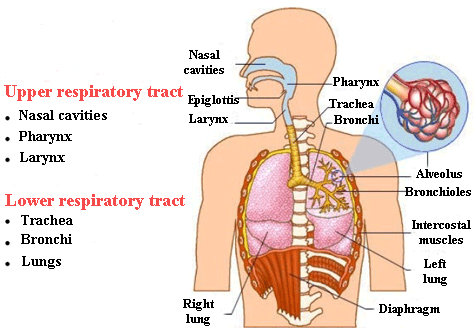
Respiratory system
The main challenge that aerosols face to penetrate the lungs and the upper airways (mouth, pharynx, larynx and trachea) is that these organs are very well equipped to filter dust and other particles. Hence, the challenge consists of designing the aerosol particles in such a way that they do not end up in the mouth or throat as opposed to the lungs.
These particles must be produced with a size or aerodynamic diameter between 1 to 5 μm, in order to pass beyond the upper airways, which act as a filter. As you can imagine, manufacturing such tiny particles is a hugely complex task.
For instance, those microscopic particles which are made of dry powder, have a very large surface area, which makes them very sticky. Consequently, the major force that acts on them is Van der Waals interaction (“Chemical bonds”) and not gravity (e.g. when you write with a chalk on a chalkboard it stays on and does not fall off due to these interactions rather than gravity). So, the objective is to overcome these Van der Waals forces and develop methods of deaggregating aerosol particles.

Lots of the aerosols used to treat pulmonary pathologies (e.g. cystic fibrosis, Chronic Obstructive Pulmonary Disease or COPD and asthma) are not really well designed for patient use.
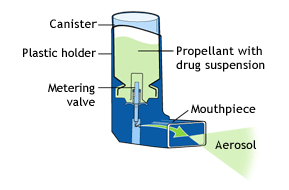
Metered-dose inhaler
For example, metre-dose inhalers have been used successfully for many years, however a lot of patients, especially children and the elderly, cannot or do not use them correctly. These inhalers present a major difficulty for those with coordination issues in activating the actuation manoeuvre with the inhalation manoeuvre.

On the other hand, the dry powder inhalers that we find currently on the market are allMultidose dry powder inhalers all active, which means that the patient needs to provide all the necessary energy so that the aerosol gets into the lungs via the airways.
The efficacy of these type of aerosols depends on how hard you inhale through the device. In this way, if you do not breath fast or strong enough, the aerosol particles will not be deaggregated enough to reach the lungs and they will mainly accumulate in the throat.
As a consequence, these sort of inhalers are not suitable for those patients who do not have proper lung function.
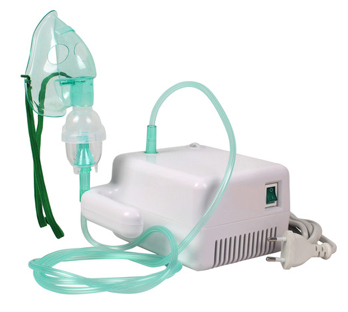
Portable nebulizer
A third type of inhaler is a nebulizer or water-based nebulizer spray systems, usually bulky units, not very portable, used at home or in the clinic, although some technical developments have been made lately to make them more portable and battery operated.

So, these are the different devices for the treatment of respiratory diseases by the inhalation route and their selection is based upon the patient’s needs and the kind of drug to be delivered.

There is an interesting story about the formulation of the meter-dose inhalers. At the beginning, when these devices were invented, back in the 1950s, they used chlorofluorocarbon (CFCs) propellants into which the drug was suspended or dissolved. But, due to reports in the 1970s about ozone layer depletion because of the use of these propellant gases, and their subsequent ban in the late eighties, the pharmaceutical industry replaced them with hydrofluroalkanes (HFAs) with similar chemical and physical properties to the CFCs.

In spite of comparable properties, the HFAs behaved in a very different way with the pharmacological molecules and the rest of excipients. For example, some surfactants[1] used in drug formulation, like oleic acid, were soluble in the CFCs but not in the HFAs.

Because of this pharmaceutical companies adopted several strategies to reformulate the same drug into these propellants gases.
A meaningful example is the product called QVAR[2], in which the drug is dissolved, using a co-solvent (diluent), specifically ethanol, together with hydrofluroalkane propellants. And it turned out that the aerosol produced is a much finer mist with a much finer droplet size. In this way, the amount of aerosol particles deposited in mouth and throat decreased tremendously, but, on the other hand, there was a dramatic increase in lung delivery.
This new approach provided a competitive advantage for the company that created it in comparison to the competition, which tried to adapt the performance of the HFA propellants in a similar way to the older-style CFCs.


[1] Substance that act as a detergent, emulsifier or humectant and allows to reduce the surface tension in a fluid. 
[2] Anti-inflammatory inhaler indicated for the treatment of asthma attacks.

Sources: UTAustinX: UT.4.01x Take Your Medicine - The Impact of Drug Development.
              http://www.telegraph.co.uk/news/newstopics/howaboutthat/3225729/Stone-Age-man-took-drugs-say-scientists.html
              http://es.slideshare.net/CAWIMECA/el-sistema-respiratorio-42882484 
              http://blogs.20minutos.es/yaestaellistoquetodolosabe/tag/clorofluorocarbonos/
              http://definicion.de/surfactante/
              http://www.asthma.ca/adults/treatment/meteredDoseInhaler.php
              http://es.slideshare.net/luciagorreto/taller-asma-2015-inhaladores
              http://www.drtrust.in/products/nebuliser-machine


Read more

1.3.2. Routes of drug administration

0 comments
After gathering all possible information about the lead compound, researchers must now understand how to manufacture a drug product. This applies not only to the lead compound but also to other chemicals that favour its disolution in the gastrointestinal (GI) tract, help in the manufacturing process or protect it from degradation.

In addition to all these subtances, a wide array of products are added. In tablets, for example, cellulose is often included to improve the drug disintegration in the digestive fluids. Talc is also included in low concentrations during the manufacturing to absorb liquid and semi-liquid subtances. Lactose, or milk sugar, is often aggregated to bulk the tablet, acquiring a convenient size so that the patient can hold and swallow it.
Some tablets contain functional polymers to develop certain drug attributes. One of the main uses of functional polymers is to protect the tablet from the high acidity in the stomach, thus ensuring that the drug is dissolved in the small intestine later, and in this way improving its absortion in the intestinal fluids.

Even though a drug can be administered in many different ways, I will focus on those drugs that are administered orally to focus on the following questions:
Will the drug be dissolved and absorbed?, depending on how much it is absorbed, what should the dose be?, is it metabolised by the liver quickly after its absortion?, will it be degraded by the acidic media in the stomach?
With regard to the last question many drugs can be degraded at low pH.
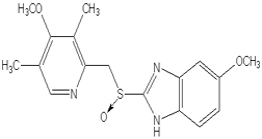
Chemical structure of Omeprazole
An example of these kinds of drugs is omeprazole, which without a functional polymer would not be effective. The purpose of this polymer is to preserve the omeprazole granules from direct contact with the gastrointestinal fluid until the pH becomes less acid and the drug is no longer in danger of being degraded. For this reason, it is important to remember that tablets and pills must not be broken, unless the pharmacist indicates it, or the polymer coating would be damaged and the drug would not be effective.
Routes of drug administration
Undoubtedly, the most usual way of delivering drugs to the body is orally because pills, capsules and tablets are easy to administer, mass-produced, have good stability and are easily absorbed by the digestive system.
But there are other systems that, at times, are better alternatives to the oral medication. Thus, intravenous or IV administration is performed when a high or well-controlled dose is required. This is the case with highly toxic agents (chemotherapy). However, this system has as a main disadvantage that is an invasive technique and it requires a clinician as well as sterile material to be dispensed.
Topical administration is another delivery system, for example ointments and creams to relieve irritations, rashes or insect bites as well as transdermal patches and gels which can permeate the skin so that the drug reaches the bloodstream.
Major routes of drug administration
A fourth type are inhaled medications, which like the former, perform locally, helping to treat illnesses like asthma, allergies or chronic lung diseases.Taking advantage of the fact that lungs are covered with a vast amount of vessels and capillaries, lots of drugs are inhaled (whether they are specific for the treatment of lung diseases or not) with the goal of being rapidly taken up by the circulatory system. As an example we can mention loxapine; an antipsychotic used in the treatment of schizophrenia, which when it is inhaled its effects can be detected in just ten minutes.

Therefore, the election of the suitable route of drug administration can make easier the drug uptake or even avoid possible side effects.


Sources: UTAustinX: UT.4.01x Take Your Medicine - The Impact of Drug Development.
              http://generalidadesdelafarmacia.blogspot.com.es/2010/11/vias-de-administracion-de-medicamentos.html
              http://www.xatakaciencia.com/medicina/farmacologia-vias-de-administracion-de-los-farmacos-y-sus-pros-contras              
              http://www.riesgoquimico.es/2009/03/30/omeprazol/


Read more